
In modern LED fixtures, lime is far more than just an eye-catching emitter color. It plays a key technical role in achieving higher-quality white light, improved color rendering, and a more natural visual impression on stage, on camera, and in architectural applications.
Its broad spectral contribution makes lime particularly valuable wherever accurate skin-tone reproduction, refined pastel colors, and well-balanced whites are required. That is why lime has become an increasingly common feature in professional luminaires.
Content
1. What is lime?
Lime LEDs help close a typical spectral gap between red and green. This leads to a more natural and more convincing reproduction of skin tones and white light.
Unlike narrowband emitters, lime is typically phosphor-converted and therefore produces a broader spectral distribution. This broadband output includes more evenly distributed energy across the red-to-green region of the spectrum, which is highly relevant for natural-looking color rendition.
If this part of the spectrum is missing, illuminated skin tones can quickly appear dull, greyish, or slightly green, which is especially problematic in theatre, broadcast, and film lighting.
2. Benefits for white light, skin tones, and pastel colors
The addition of lime enables smoother, less saturated color mixes and more precise white calibration. This is particularly important in applications where visual quality matters most, such as theatre, television, film, and live production.
Lime also improves the rendering of pastel shades, which often appear too harsh or synthetic in fixtures without a dedicated lime channel. Skin tones generally benefit as well, appearing more balanced, cleaner, and more natural.
Another important advantage is that lime can help compensate for unwanted magenta or green bias in white-light mixes, allowing for more consistent and more usable tunable whites.
For this reason, lime is often integrated into RGB, RGBA, or RGBL engines where it enhances white-light quality, improves pastel reproduction, and supports more refined mixed colors overall.
3. Lime compared with amber and white
Amber also sits between red and green in visual terms, but it covers this range much more narrowly. Depending on the fixture design, amber may be generated either as a direct monochromatic emitter or via phosphor conversion.
Compared with lime, amber offers a tighter spectral profile. This makes it very effective for warm tones, especially amber, orange, and yellow hues. However, it is less versatile when it comes to generating clean, balanced white light across a broader tuning range.
White LEDs, of course, provide direct white output and remain a practical solution in many fixture platforms. However, a lime channel adds further flexibility to the color-mixing system and allows for more nuanced white-light generation.
In practice, lime is not a replacement for white, amber, or other emitters. It is a functional addition that expands the performance of the overall optical system.
4. Why lime is now used so widely
Many current LED engines combine lime with additional colors such as amber or cyan. In these multi-emitter systems, amber can strengthen performance in the narrowband warm-color region, particularly for rich amber, orange, and yellow tones.
Cyan, by contrast, acts as a spectral counterpart to lime in the region between blue and green and is also typically phosphor-converted. However, because the human eye is especially sensitive around the green region, lime usually has the greater impact in practical color mixing and white-light optimization.
The growing use of lime in professional fixtures is mainly driven by its clear performance advantages: a more usable color space, better white-light mixing, improved skin-tone rendering, more refined pastel colors, and strong output combined with greater application flexibility.
5. Typical applications
Because lime sits in a visually sensitive area of the spectrum, it is highly effective in a range of professional lighting applications.
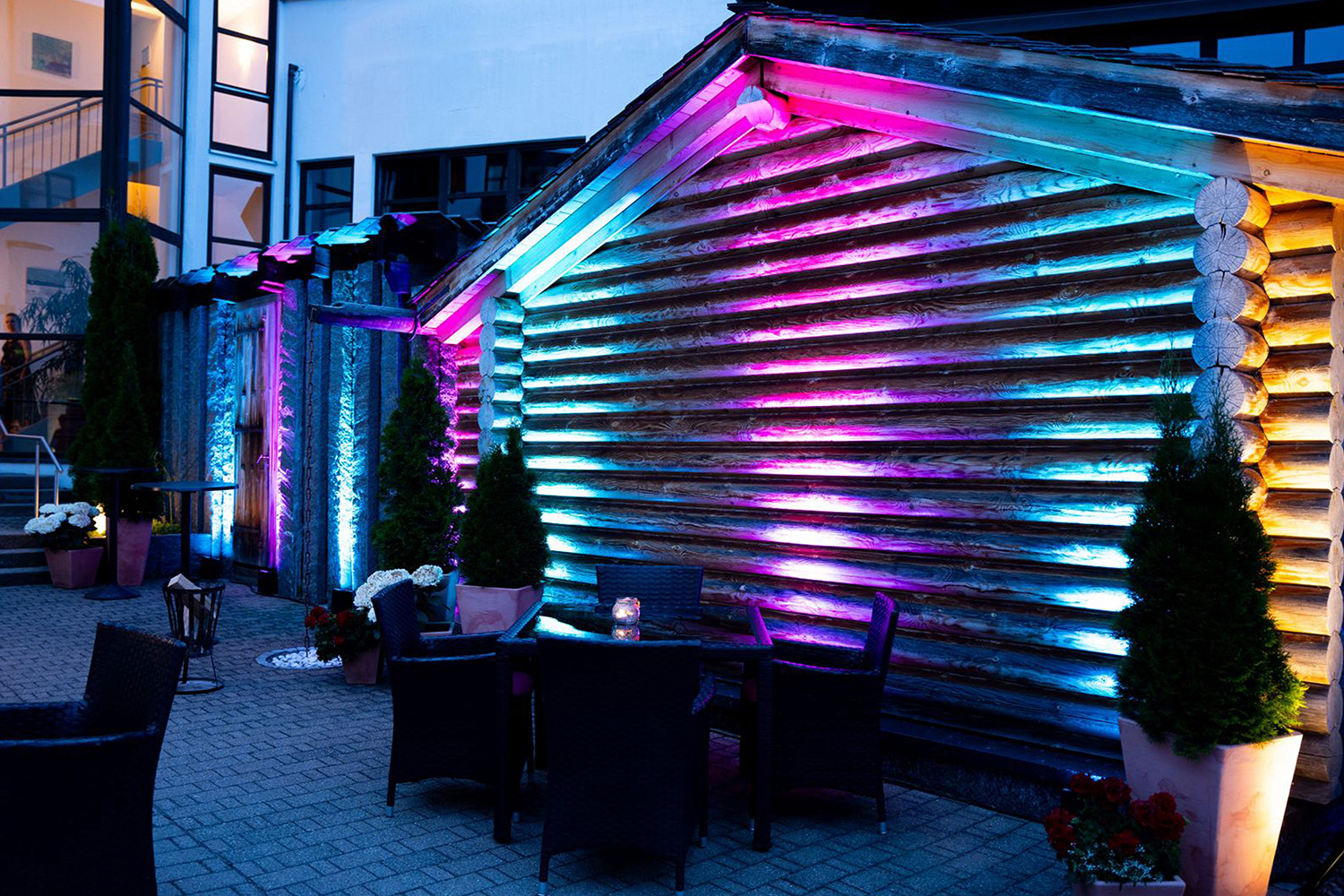
Typical use cases include live event and stage lighting, where lime can contribute both to natural white light and to fresh, vivid color looks. It is also widely relevant in theatre front light, broadcast lighting, film and camera environments, architectural lighting, and effect or decorative lighting.
In addition, lime can be useful in selected signage and signal-related applications, although its role there is generally more limited than in entertainment and architectural lighting.
Conclusion
Lime is not simply a visual effect or a passing trend. In professional LED lighting, it is a technically meaningful addition that improves white-light quality, color rendering, visual efficiency, and the natural appearance of illuminated subjects.
Anyone evaluating modern LED fixtures should therefore see lime not as a novelty, but as a genuine performance feature within a well-designed color-mixing system.
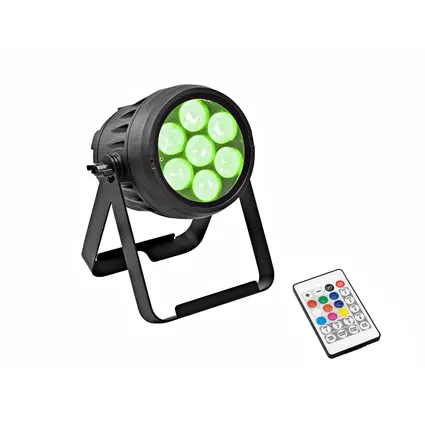
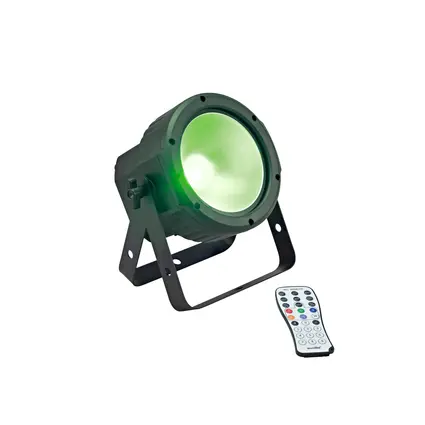
In our online shop, we offer a wide range of spotlights that incorporate lime for different professional applications.